



Domestic Excellence in Action: Reliable Achievement of "Zero Emission" for Sulfur-containing Flash Gas in Zhongshen 103 Block
Publishdate:2025-09-29 Source: Views:87
Against the backdrop of the era's focus on energy transition and green development, emission reduction practices in oil and gas extraction hold significant importance. Recently, the No.1 Gas Gathering Station in the Zhongshen 103 Block achieved a critical milestone: the Gas Field Water Flash Gas Boosting and Recovery Unit deployed at the station has operated continuously and stably for 500 hours, demonstrating excellent performance data—daily recovery of over 200 cubic meters of natural gas and a cumulative reduction of sulfur-containing natural gas emissions exceeding 10,000 cubic meters. This achievement marks the station's official entry into a phase of zero emissions for sulfur-containing flash gas. This success not only highlights the dual benefits of resource recovery and environmental emission reduction but also, through its stable operational performance, validates the superior quality and reliability of domestically produced core equipment.
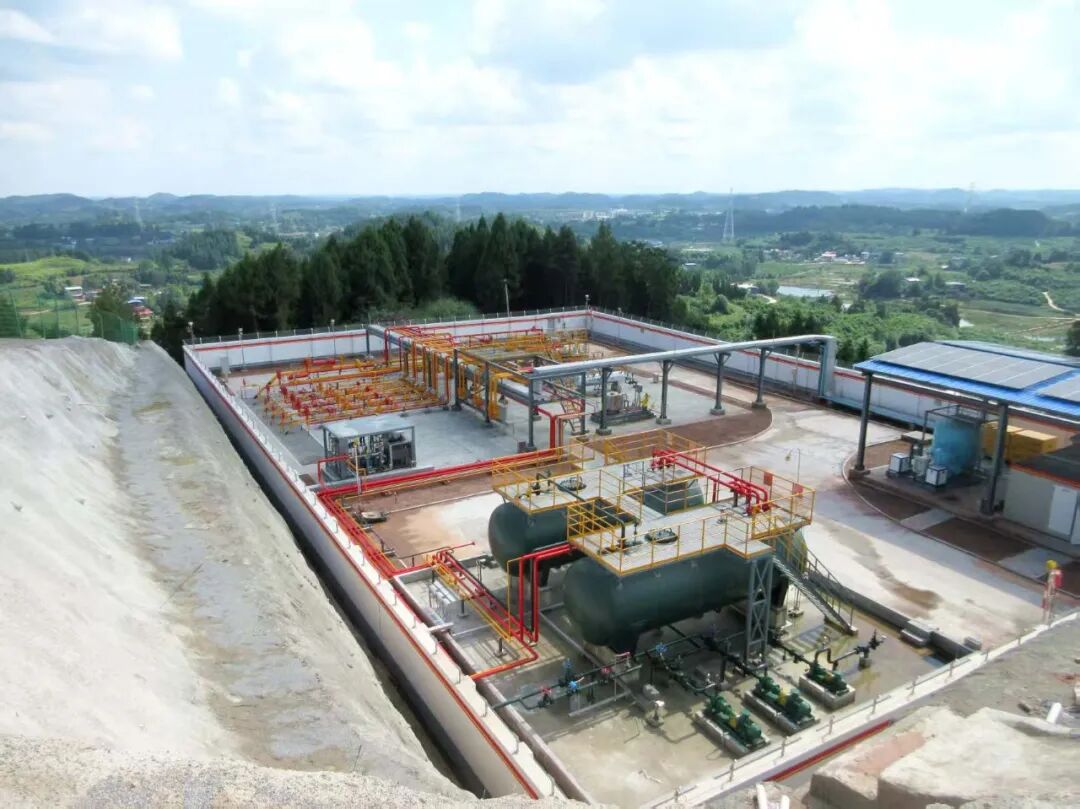
Gas field water flash gas is a by-product of the natural gas extraction process, often containing highly toxic hydrogen sulfide (H₂S). This colorless gas poses severe challenges to both safety production and environmental protection due to its strong corrosiveness and extreme toxicity. Traditional treatment methods often involve high risks or passive emissions. Achieving the safe and efficient recovery and utilization of such resources has consistently been a technical challenge within the industry. Given the extreme hazards associated with hydrogen sulfide, compression equipment must meet nearly stringent sealing and safety standards—any could lead to serious consequences. The GD4 diaphragm compressor provided by Zhongding Hengsheng successfully overcomes this technical bottleneck through its innovative "zero-leakage" sealing structure. It utilizes a specially crafted diaphragm to completely isolate the gas compression chamber from the hydraulic drive chamber, ensuring absolute sealing even when handling highly corrosive and toxic gases, making it an ideal technical solution for handling highly toxic, flammable, explosive, and high-purity gases.
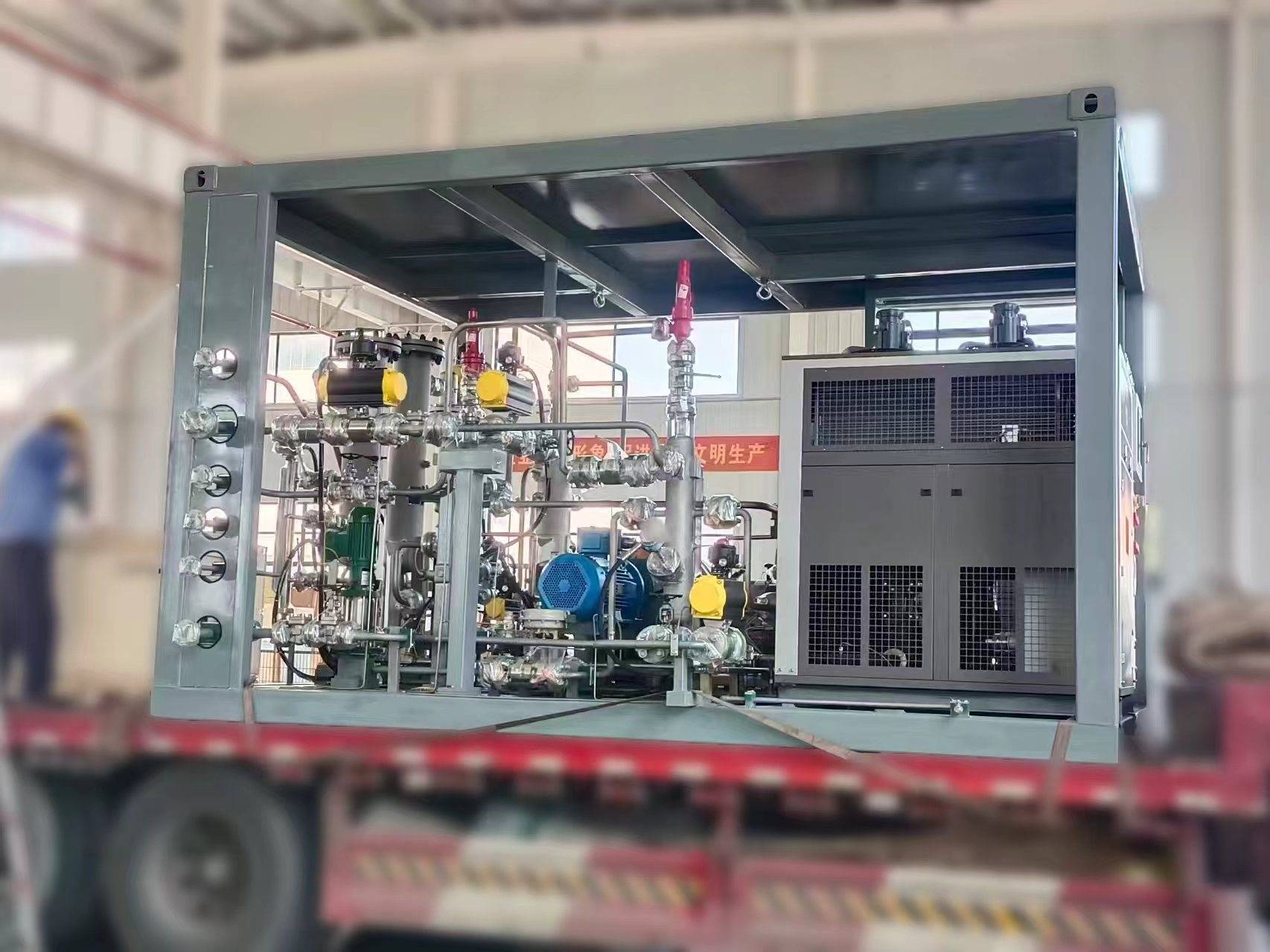
During the continuous 500-hour operation period, the GD4 diaphragm compressor demonstrated exceptional adaptability to working conditions and operational stability. The equipment maintained efficient operation under the harsh conditions of handling sulfur-containing gas and could precisely regulate gas pressure, providing a stable gas source for subsequent recovery processes.
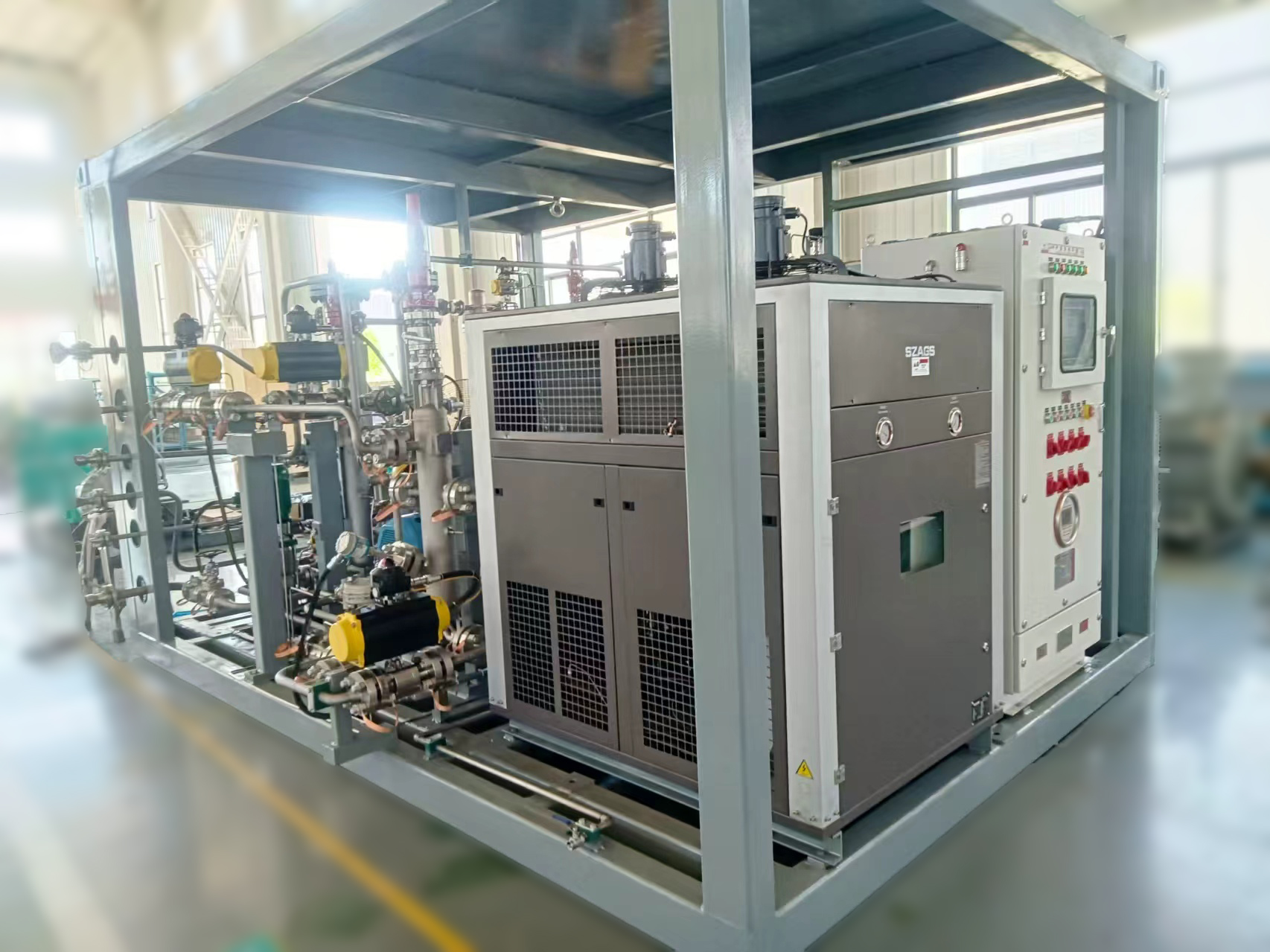
The successful operation of this unit holds value far beyond the scope of a single project. This practice fully demonstrates that in oil and gas extraction and broader industrial fields, domestically produced high-end equipment already possesses the capability to undertake core tasks. Its performance indicators, operational stability, and safety assurance levels can match international advanced standards. Promoting the green and low-carbon transition of the energy industry by relying on advanced and reliable domestic technical equipment is not only a clear goal but also a practically feasible implementation path. Especially in key areas related to national energy security and core environmental protection technologies, domestically produced equipment with independent intellectual property rights is increasingly highlighting its role as a main force, providing solid technical support for the sustainable development of China's energy sector.
Against the backdrop of the era's focus on energy transition and green development, emission reduction practices in oil and gas extraction hold significant importance. Recently, the No.1 Gas Gathering Station in the Zhongshen 103 Block achieved a critical milestone: the Gas Field Water Flash Gas Boosting and Recovery Unit deployed at the station has operated continuously and stably for 500 hours, demonstrating excellent performance data—daily recovery of over 200 cubic meters of natural gas and a cumulative reduction of sulfur-containing natural gas emissions exceeding 10,000 cubic meters. This achievement marks the station's official entry into a phase of zero emissions for sulfur-containing flash gas. This success not only highlights the dual benefits of resource recovery and environmental emission reduction but also, through its stable operational performance, validates the superior quality and reliability of domestically produced core equipment.
Gas field water flash gas is a by-product of the natural gas extraction process, often containing highly toxic hydrogen sulfide (H₂S). This colorless gas poses severe challenges to both safety production and environmental protection due to its strong corrosiveness and extreme toxicity. Traditional treatment methods often involve high risks or passive emissions. Achieving the safe and efficient recovery and utilization of such resources has consistently been a technical challenge within the industry. Given the extreme hazards associated with hydrogen sulfide, compression equipment must meet nearly stringent sealing and safety standards—any could lead to serious consequences. The GD4 diaphragm compressor provided by Zhongding Hengsheng successfully overcomes this technical bottleneck through its innovative "zero-leakage" sealing structure. It utilizes a specially crafted diaphragm to completely isolate the gas compression chamber from the hydraulic drive chamber, ensuring absolute sealing even when handling highly corrosive and toxic gases, making it an ideal technical solution for handling highly toxic, flammable, explosive, and high-purity gases.
During the continuous 500-hour operation period, the GD4 diaphragm compressor demonstrated exceptional adaptability to working conditions and operational stability. The equipment maintained efficient operation under the harsh conditions of handling sulfur-containing gas and could precisely regulate gas pressure, providing a stable gas source for subsequent recovery processes.
The successful operation of this unit holds value far beyond the scope of a single project. This practice fully demonstrates that in oil and gas extraction and broader industrial fields, domestically produced high-end equipment already possesses the capability to undertake core tasks. Its performance indicators, operational stability, and safety assurance levels can match international advanced standards. Promoting the green and low-carbon transition of the energy industry by relying on advanced and reliable domestic technical equipment is not only a clear goal but also a practically feasible implementation path. Especially in key areas related to national energy security and core environmental protection technologies, domestically produced equipment with independent intellectual property rights is increasingly highlighting its role as a main force, providing solid technical support for the sustainable development of China's energy sector.